
Our little piece of the English Countryside
Tucked into the Wiltshire countryside, Wingfield and Stowford are villages shaped by land, time and people who have quietly cared for them across generations.
These are places you don’t rush through. You notice the curve of old lanes, the sound of church bells on the wind, the way fields meet hedgerows that have been here longer than memory. Life here has always followed the seasons — harvests, celebrations, gatherings, and the steady work of looking after what matters.


A Shared History
Wingfield and Stowford grew side by side, shaped by the same land, the same seasons, and the same patterns of rural life. Footpaths, field boundaries and watercourses linked farms, cottages and communities long before formal roads appeared, creating a network of daily movement between homes, fields, church and market.
Historically, Wingfield — recorded in early forms such as Winefel — formed part of a wider manorial landscape connected to Farleigh Hungerford and surrounding hamlets, including Rowley. These settlements were not isolated places, but parts of a working whole, tied together through agriculture, tenancy, labour and shared obligation.
Farleigh Hungerford, with its castle and estate, played a central role in organising land and life across the area for centuries. The influence of the manor shaped farming patterns, boundaries, rents and responsibilities, with Wingfield and Stowford contributing to — and sustained by — this wider estate system. Many of today’s lanes, fields and parish boundaries still quietly reflect those medieval arrangements.
A Landscape Over Time
Medieval origins → estate and manorial life → agricultural continuity → modern village community
The villages themselves were sustained by mixed farming, craft and seasonal work. Stone cottages, barns and outbuildings were built for function rather than display, shaped by hand and repaired over generations. Many still stand, carrying the quiet marks of use: worn thresholds, uneven walls and timber beams that have held fast through centuries of change.
While the world beyond the villages shifted — through enclosure, industrial change and modern life — Wingfield and Stowford adapted without losing their essential character. They remain places grounded in continuity rather than spectacle, where history is not preserved behind glass, but lived alongside — in the land, the buildings and the shared memory of the community.
A Living Landscape
Nature is not separate from village life here — it is part of it.
Fields, woods, rivers and gardens shape how we live, walk and gather. Wildlife thrives in hedgerows and meadows, and many residents actively care for the natural environment, passing on an understanding of land stewardship that has always been part of rural life.
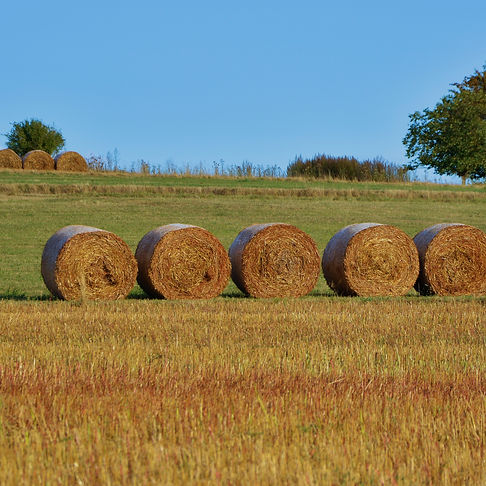
The villages change colour with the seasons — lambing in spring, long summer evenings, harvest fields, winter stillness — each moment marking time in its own way.

Community,
Then and Now
What has always mattered most in Wingfield and Stowford is people.
Neighbours looking out for one another. Traditions passed down, adapted, and kept alive. Gatherings that are less about spectacle and more about belonging.
Whether you’ve lived here all your life, arrived recently, or are visiting for the first time, these villages have a way of making space — for conversation, contribution and connection.
A Few Places of Interest

At the centre of Wingfield stands St Mary’s Church — not just a building, but a witness.
For hundreds of years, St Mary’s has marked the milestones of village life: baptisms, weddings, farewells, celebrations and moments of reflection. Its stones hold centuries of footsteps, voices and shared experience.
Cared for by the community it serves, the church remains a place of gathering — open, familiar and deeply woven into the life of the villages. It is both a spiritual home and a historical treasure, quietly reminding us of the responsibility we share to protect it for those who come after us.

An 18th Century Grade II listed establishment, where history meets modern comfort. A charming building which features two distinct dining rooms, offering an array of experiences for our valued guests.
A bright and vibrant 32-seater restaurant, boasting a delightful view of the expansive garden and private cricket pitch.
Food is a big part of The Poplars - moving with the seasons the menu speaks of a passion for freshness and invention. Using local produce wherever possible, always fresh, ethically sourced, and handled with care. Food with a smile on its face!
